In the industrial and commercial sectors of the United Arab Emirates and the wider Gulf Cooperation Council (GCC), the summer months are more than just a seasonal shift. They are a rigorous stress test for infrastructure. As temperatures climb, cooling systems, power grids, and critical industrial machinery face unprecedented operational pressure.
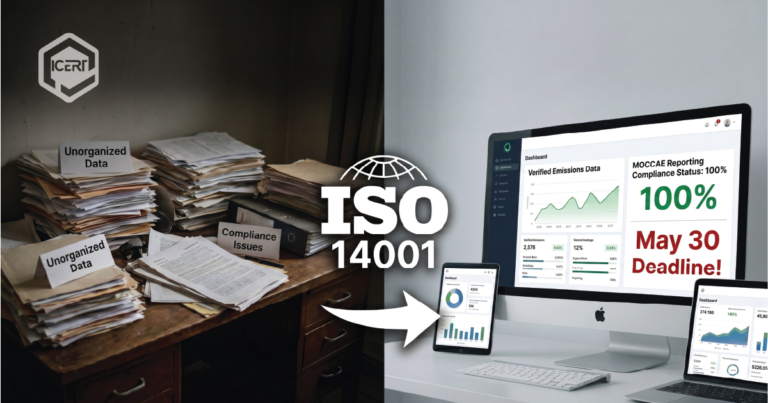
For many facility managers and operational directors, this period is often characterised by reactive maintenance and a scramble to prevent equipment failure. Too often, the conversation around energy management is relegated to the “ESG checkbox”, a peripheral task designed to satisfy external reporting requirements rather than internal operational needs.
This is a profound misunderstanding of the ISO 50001 certification in Abu Dhabi framework. When properly implemented, energy management is not a reporting chore; it is a high-level technical discipline. It is a strategic approach to load balancing, equipment longevity, and infrastructure resilience. For companies looking to maintain uptime during the extreme heat, ISO 50001 is the blueprint for operational stability.
The Myth of the “ESG Checkbox”
The “ESG checkbox” mindset suggests that energy management is merely about collecting data for annual sustainability reports. While environmental stewardship is a vital component of modern business, viewing ISO 50001 through this narrow lens ignores its most powerful application: the improvement of technical system reliability.
In the GCC’s harsh climate, energy is the lifeblood of operations. Every kilowatt consumed is a measure of the thermal load on your chillers, the stress on your air-handling units, and the workload of your production lines. By formalising energy management, an organisation gains a deep, technical understanding of its “Energy Intensity”, the specific amount of power required to maintain an operational state.
When you manage energy as a technical discipline, you are essentially monitoring the “health” of your machines. A sudden spike in the energy intensity of a cooling tower or a production motor is rarely just a consumption issue; it is almost always a diagnostic indicator of mechanical fatigue, friction, or system inefficiency. ISO 50001, therefore, functions as a sophisticated, system-wide diagnostic tool.
Infrastructure Resilience in the Heat
The GCC summer creates a unique operational reality: the delta between ambient temperature and internal set points is at its maximum. This means that cooling infrastructure must work significantly harder than it does in cooler months.
Without a structured Energy management system consultants framework, facilities often operate on a “run until it stops” basis. However, an ISO 50001-certified facility uses predictive data to balance loads.
Load Balancing and System Uptime
By utilizing the data-driven methodology of ISO 50001, facility managers can effectively execute “load shifting.” This means understanding which processes are energy-intensive and scheduling them to run during the most efficient times of the day, thereby reducing the simultaneous strain on the site’s electrical and cooling infrastructure.
This isn’t about saving money; it is about infrastructure integrity. By avoiding peak-load stress, you extend the lifespan of your critical assets. In the heat of an Abu Dhabi summer, preventing a catastrophic failure of a main chiller unit is the difference between operational success and a complete shutdown.
The Technical Disciplines of ISO 50001
Achieving ISO certification in GCC requires a shift in how an organisation perceives its power usage. It requires an alignment of engineering, facility management, and executive oversight.
1. Granular Energy Baseline Monitoring
A technical energy management system provides a baseline for what “normal” looks like. During the summer, when systems are pushed to their limits, having a clear baseline allows technicians to identify anomalies instantly. If a secondary loop in a HVAC system begins consuming more energy than the ISO-established baseline, the technical team can intervene before a mechanical breakdown occurs.
2. Preventive Maintenance Through Energy Data
Many ISO certification companies in UAE emphasise that energy management is an extension of preventive maintenance. High energy consumption in electric motors, for instance, often indicates misalignment, poor lubrication, or bearing wear. By monitoring energy as a performance indicator, teams can transition from reactive repairs to evidence-based maintenance schedules.
3. Systematic Infrastructure Review
The ISO consultancy process involves a thorough review of the facility’s energy infrastructure. Often, this reveals “hidden bottlenecks”, areas where the building envelope, insulation, or equipment configuration is causing unnecessary energy leakage. By addressing these technical weaknesses, the organization increases its overall operational maturity and system reliability.
Why GCC Businesses Need ISO 50001 Now
The industrial and commercial landscape of the UAE is becoming increasingly complex. With the Workplace safety standards UAE authorities continuously raising the bar for operational excellence, companies that fail to adopt advanced management frameworks risk being left behind.
ISO 50001 is particularly relevant for sectors that rely heavily on consistent environmental control, such as:
- Pharmaceutical and Healthcare: Where precise thermal control is required to maintain the integrity of sensitive products.
- Data Centers: Where cooling reliability is the primary determinant of operational success.
- Manufacturing: Where machinery stability depends on precise power consistency.
For these sectors, consulting with ISO certification consultants GCC is not merely about certification; it is about ensuring the business can maintain stable operations under extreme environmental conditions.
Leveraging Complementary Standards
Operational excellence is rarely achieved through a single standard. Many organisations that implement ISO 50001 also seek ISO 9001 certification in Dubai to ensure quality management processes are optimised. When quality systems are robust, and energy systems are stable, the entire facility achieves a state of “synchronicity.”
These certifications, managed by skilled ISO consultants in Abu Dhabi, create a multi-layered approach to operational stability. They ensure that safety, quality, and resource management work together to drive a reliable and resilient output.
Partnering for Operational Excellence
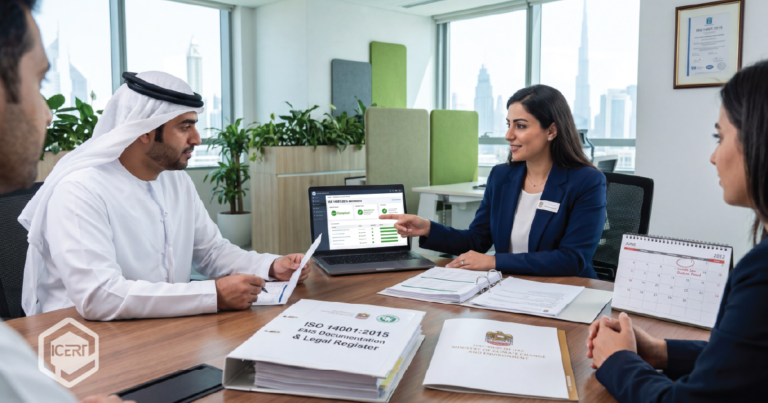
Navigating the complexities of an energy management system requires a partner with significant regional experience. An effective ISO certification provider understands that the GCC’s technical and environmental challenges are unique.
ICERT Gulf has been a leader in this space for over 15 years, helping organisations translate global standards into actionable, site-specific strategies.
Why Choose ICERT Gulf?
As one of the most trusted ISO certification companies in UAE, we bring a unique blend of technical expertise and regional insight to every project.
- 15+ Years of Expertise: We have seen the evolution of GCC industrial standards and we help our clients stay ahead of the curve.
- 600+ Projects Completed: Our methodology is proven. We have assisted hundreds of organizations in successfully integrating ISO standards into their operational DNA.
- 500+ Satisfied Customers: Our reputation is built on long-term client success and measurable operational outcomes.
- Dedicated Industry Experts: Our consultants come from technical backgrounds; they speak your language, understand your equipment, and know the challenges of your sector.
- Regional and International Outlook: We ensure that your operations meet local regulatory expectations while achieving the highest international benchmarks of performance.
If you are looking for ISO consultancy in UAE that focuses on technical outcomes rather than just certification paperwork, you need a partner that understands the importance of operational stability in a high-heat climate.
Conclusion
The GCC summer is a formidable challenge for any infrastructure, but it does not have to be a source of constant operational instability. By moving beyond the “ESG checkbox” mindset and embracing ISO 50001 as a core technical discipline, facility managers and executives can transform their approach to energy.
Energy management is about more than just numbers; it is about the reliability of your chillers, the precision of your production lines, and the overall longevity of your critical infrastructure. It is a commitment to technical maturity that positions your organisation as an leader in industrial and commercial excellence.
Don’t let the heat dictate your operational uptime. Proactive, data-driven, and systematic management is the key to thriving in the GCC’s unique environment.
Is your facility ready to reach a new level of operational stability? Contact ICERT Gulf today to discuss how our team can help you implement a robust energy management system. With our expertise as one of the region’s premier ISO certification providers, we ensure that your systems are prepared for the rigors of the GCC summer.
For more information on our services, visit our Home page, explore our consultancy capabilities, or review our comprehensive certification offerings. Let us help you build a resilient, efficient, and future-ready business.