Workplace safety is the biggest concern in high-risk industries like oil and gas, logistics, heavy manufacturing units, construction sites, etc. These sites expose employees to unpredictable environments and the dangers that come along. A small mistake can result in serious injuries, downtime, and long-term financial losses. Therefore, ISO certification in UAE with ISO 45001 is becoming a necessity.
Different types of ISO certifications become valuable for organisations to streamline their operations. Like the ISO 45001 and ADOSH (OSHAD), build a strong regulatory system. Both combine the best global and regional practices, letting your business achieve the best levels of safety and consistency. Likewise, ISO 9001 (quality) and ISO 14001 (environment) come together to guarantee efficiency and sustainability.
An Overview of ISO 45001 and Its Importance in the UAE
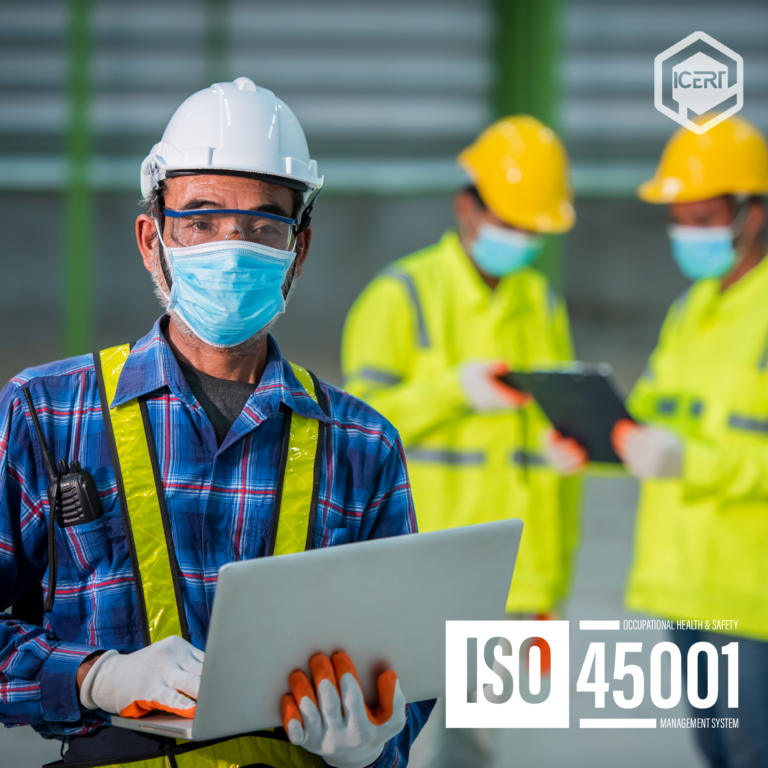
ISO 45001 is a global framework for security. It manages workplace hazards, reduces risks, and improves the overall safety culture. It is an international standard for Occupational Health and Safety Management Systems (OHSMS).
Unlike other standards, ISO 45001 isn’t a reactive safety measure. Instead, it helps industries to be proactive in knowing risks before they can cause any harm. Businesses in the UAE follow the ISO 45001 standard to prove their accountability to the local regulators and to attract international partners, clients, and employees.
UAE’s economic and national growth is critical to high-risk industries (like oil, gas, construction, logistics, etc) where people face some of the toughest workplace challenges. Therefore, local regulations like ADOSH (OSHAD) demand companies to follow strong practices to maintain uniform safety. By implementing ISO 45001, any business can combine local requirements with best global practices, forming a stronger safety net. This will reassure employees about their well-being while helping companies reduce accidents, penalties, and build a reputation for responsibility.
How Does ADOSH (OSHAD) Strengthen Workplace Safety Regulations?
ADOSH (OSHAD) is also known as Abu Dhabi Occupational Safety and Health/ Occupational Safety and Health Abu Dhabi. It creates a structure where companies manage a healthy workplace and prioritize employee safety in Abu Dhabi. Each industry has its own safety risks, so the rules are designed to fit different kinds of businesses.
To protect workers, ADOSH checks if UAE companies meet safety standards. Ignoring the rules can stop business activities until compliance is restored.
The Link Between ISO 45001 and ADOSH in the UAE
ISO 45001 and ADOSH have shared objectives. Both these systems aim at one goal: to minimise workplace risks. However, they approach from different angles – ISO 45001 offers a global framework, while ADOSH takes care of the local compliance – and together they cover different dimensions.
Companies in the UAE that already have ISO 45001 find it easier to map their policies and procedures to ADOSH requirements. Why? Because for both frameworks, everything from risk assessment, training, and documentation aligns closely.
Also, to work in combination, ISO 45001 UAE builds systematic internal audits, while ADOSH enforces external oversight. They both combine to foster a safety-first mindset. With both standards together, employees know that their safety isn’t a regulatory tickbox but a valuable international and local practice.
What Are the Key Benefits of ISO 45001 for High-Risk Industries?
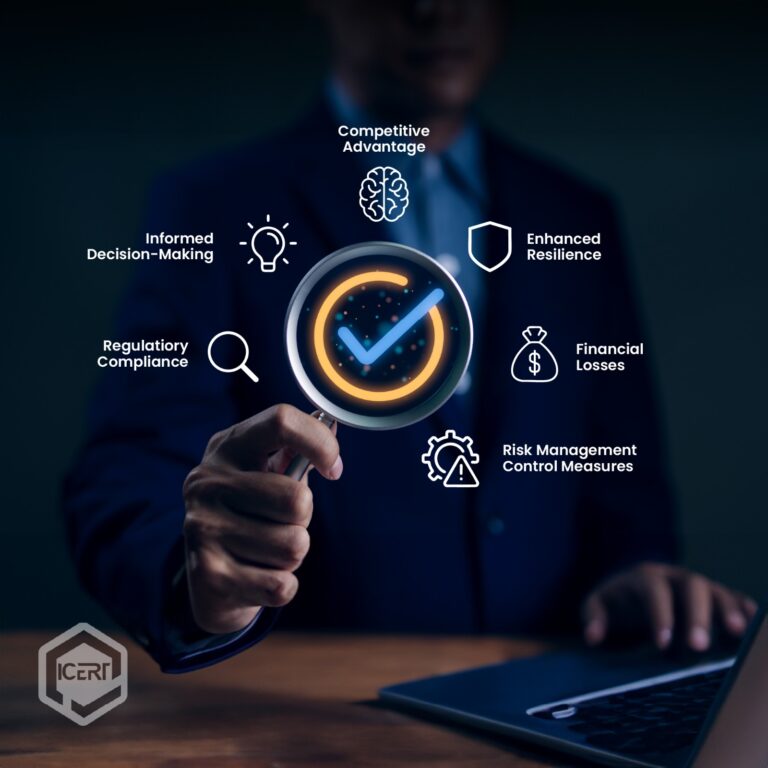
ISO 45001 is beneficial for high-risk industries in the UAE and here’s why:
- It reduces accidents and strengthens safety management.
- It increases employee trust and confidence.
- Through the prevention of accidents, businesses save a lot of costs for medical, compensation, and operational delays.
- It improves emergency preparedness. Companies act with better legal protection, which reduces liabilities in case of accidents/ audits.
- It increases stakeholders’ confidence.
- It promotes a mindset where management communicates to frontline workers, and every employee takes responsibility for safety.
- It meets world-class safety requirements.
How Does ISO 45001 Relate to Other Types of ISO Certifications?
ISO 45001 or ISO certification in UAE in general aren’t designed to be used in isolation but used in a broader system of standards. It focuses on workplace health and safety, but when companies view it along with other types of ISO certifications, the benefits become much broader.
ISO 9001 UAE is an international standard for high-quality products and services. When paired with ISO 45001 not only protects people but also balances reliable operations with few errors and delays.
Whereas, ISO 14001 UAE is a standard for environmental management. As a standalone, it helps companies reduce waste, pollution, and resource misuse. When acting alone with ISO 45001, they both focus on worker safety and environmental hazards, mainly in industries like oil and gas or construction.
The real strength of ISO certification in UAE lies in adopting an integrated management system. That’s where ICERT steps in. For businesses in the UAE, they combine different approaches without letting you struggle with the process.
UAE Industries and Their Need for ISO 45001 Certification
In the UAE, there are a lot of industries where ISO 45001 isn’t a necessity but a requirement. For instance:
- Skilled labour drives the UAE’s construction growth, but the job often means working in unsafe conditions with machinery, high structures, and harsh climates.
- Oil and gas work is central to the UAE economy but comes with risks like high-pressure equipment, confined areas, and flammable substances.
- With global trade hubs never closing, port and airport workers have to work long hours, accidents occur, and unsafe cargo handling occurs.
- Healthcare teams risk infections, chemical contact, and stress from demanding work.
On the manufacturing side, workers encounter moving equipment, harmful materials, and continuous industrial noise.
Conclusion
It’s simple: if your industry carries big risks, standards like ISO 45001 with ADOSH support are worth it. Add ISO 9001 and 14001, and you’ve got a system that covers safety, quality, and the environment in one shot.